
Your colors. Your mix of patterns. Chosen to suit your lifestyle.
Visit the Design Center to find your personal mix >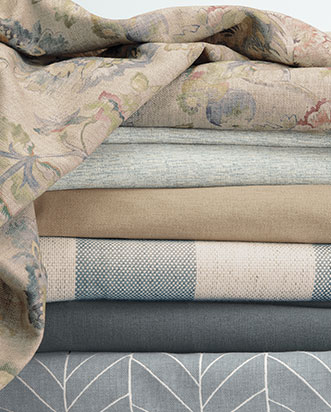
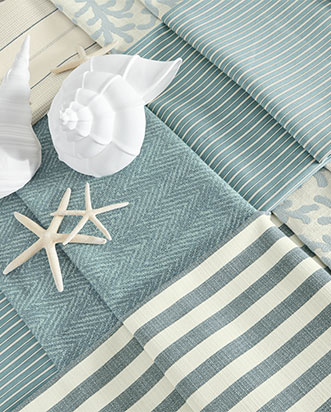
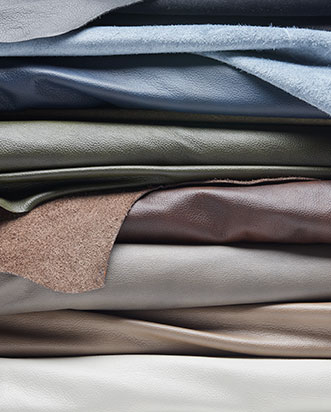
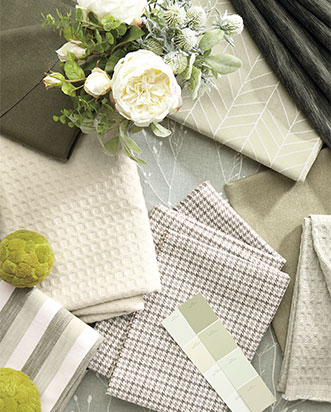
Designer FAQs: How to Compare and Choose Upholstery Fabrics
What’s the best fabric available for upholstery?
The best fabric choice for your upholstery depends on what you like and how your household operates. Let’s start with some general guidelines.
First, consider your lifestyle. If you’re living in a high-traffic household alive with family and pets, choose a highly durable tight weave or performance fabric.
Next, consider your aesthetics. For visual interest, fabrics such as velvet, chenille, or bouclé will help you layer in texture, and many of these fabrics are available in durable performance versions.
Then, think about eco-friendliness. If you’re environmentally conscious, look for natural materials like linen. Also, innovative materials like olefin offer stain and spill protection without added chemicals, like PFAS.
Finally, prioritize quality. Choose a fabric specifically designed for upholstery that you know has been vetted and tested against industry standards.
How this works at Ethan Allen: Our fabrics go through rigorous tests for abrasion resistance, colorfastness, and more, and those that pass will perform well for most kinds of upholstery. When a fabric isn’t right for a certain piece of furniture—we’d advise you not to put a velvet on a recliner, for example—you’ll be notified on that fabric’s web page and on its tag in our Design Center.
To help you see and feel the quality of our fabrics, visit a Design Center to see samples up close or order select fabric samples online. And because no answer is one size fits all, you can always ask an Ethan Allen designer for an expert recommendation. Their help is complimentary.
How do I choose the right upholstery fabrics for my home?
The right fabric is determined by three factors: what fabrics artistically appeal to you, how you want the fabric to feel and appear, and how the fabric is going to be used.
Aesthetic appeal:
- Neutral colors and patterns are good for soothing and serene spaces, but they’re also extremely practical. A beige sofa can work in a room of almost any palette, so you can paint the room and change things up, like window treatments and pillows, without needing to purchase a new sofa.
- The type of pattern you choose can help to set a room’s personality. For example, an animal print can feel chic and convey a sense of fun, a plaid can suit both formal and farmhouse spaces, and a floral can add a sweet tone perfect for cottage-inspired décor.
- Don’t hesitate to choose a bold color for upholstered seating or an upholstered bed. Choose a color that you have loved consistently over the years, and it will always feel timeless in your home.
- Alternatively, keep your big-budget items neutral and go bold with smaller pieces. Save the bright colors or bold patterns for an ottoman or accent chair, or bring bold pops in with custom-made decorative pillows.
Fabric feel and appearance:
- A fabric that feels soft, like a chenille, velvet, or bouclé, can provide added comfort and texture—but note that these fabrics also tend to develop comfort wrinkles more easily.
- A more structured fabric with a tighter weave won’t have the same softness, but it will maintain a tauter appearance over time. If you like added texture, look for structured fabrics that have slub yarns.
Usage considerations:
- In formal, low-traffic spaces, both special and delicate fabrics shine. In spaces like these, their one-of-a-kind looks won’t be marred by wear and tear.
- In pet- and family-friendly rooms, look for fabrics rated for heavy use. Performance fabrics or fabrics with tighter weaves tend to stand up more effectively to wear and tear—and if you love a formal look, we even offer performance versions of fabrics like velvet!
- In outdoor and indoor/outdoor areas, use a performance fabric. If your furniture isn’t surrounded by four walls, or you just want the best-possible protection, we offer performance fabrics in 150+ colors, textures, and patterns.
If you need help mixing and matching fabrics, check out our designer-curated fabric collections for inspiration. For a deeper dive on popular fabric types like velvet, chenille, wovens, and more, open our Fabric and Leather Buying Guide.
What do the grades assigned to each fabric in your collection mean? Is a higher grade better?
Fabric grades convey how much a fabric cost to make. Yet a higher grade doesn’t always reflect better performance or durability.
Sometimes, a fabric with a lower grade may be the most beautiful, durable choice for a particular piece of upholstery, or for your lifestyle. An Ethan Allen designer can give you a personalized recommendation.
What are the most durable upholstery fabrics for kid- and pet-friendly spaces?
For areas that need some extra durability because they’re being tested by busy kids and furry friends, we often recommend polyester or tightly woven fabrics because they don’t have a lot of slub yarns or high piles that can snag on a paw.
We also recommend olefin, a water-repellent, eco-friendly performance fiber. Manufacturing olefin places little burden on the environment, and the fibers can be extruded and recycled multiple times. Most olefins are GREENGUARD Gold certified.
You can still have velvet or chenille in a kid-friendly space. We offer a wide assortment of performance velvets and performance chenilles, which you can preview in a Design Center or browse online.
How long does upholstery fabric last?
With proper care, your upholstery fabric can last for years to come. Here are some ways to extend its life:
- To prevent fading in natural light, place furniture in darker or more colorful fabrics away from windows or glass doors, where sunlight streams through.
- Delay comfort wrinkles by selecting firmer cushion fills and flipping your cushions regularly. Be aware that every material stretches and pools with time and use—in upholstery as in life, wrinkles are inevitable.
- Be mindful of fabrics that have a visible nap, like velvet or chenille, which causes the fabric to look lighter or darker depending on the angle of the fibers. When someone sits on them or brushes against them, some of the yarns may appear slightly crushed or bend in a different direction than the other yarns. You can easily brush them with your hand to correct this issue, but if you find the visual unappealing, these fabrics may not be for you.
- Choose naturally water-repellent or stain-repellent fabrics if you’re worried about spills and stains. When accidents happen, follow the Use & Care guide that comes with your upholstery for recommendations on cleaning different types of stains.
- Consider a protection plan for peace of mind. If something happens that fits the parameters of your plan, your upholstery can be repaired or replaced at no additional cost within the first five years that you own it.
What are the best fabrics for a recliner? A headboard? Does it matter from piece to piece?
For recliners and incliners:
Fabrics with a cut pile, like velvet or chenille, can quickly show wear and tear when they’re subjected to the constant motion of reclining furniture. Select a polyester or woven fabric instead. When you view a fabric on our website, the listing will always tell you whether it’s appropriate for recliners.
For headboards with tufts:
Avoid fabrics with a lot of natural stretch. A stretchy fabric could be well suited to the deep tufts on a sofa cushion, but it would pull and sag in a shallow application, like a tufted headboard, where the tufts would be so loose that they would eventually come undone.
Ping Designer Chat if you have a question about whether a fabric is right for your recliner, headboard, or other type of upholstery. You’ll be answered by a professional designer who will give you guidance that will help you shop with confidence.
Is it better to reupholster or buy new furniture?
Contact an Ethan Allen designer about any piece to ask it’s a good candidate for reupholstery. Reupholstery isn’t offered online, but you can ask about it in any Ethan Allen Design Center.
Reupholstering also comes with some risks related to fabric matching:
- You may discover that the fabric you originally chose has been discontinued, and you won’t be able to use it again.
- You may find that an older item in the same fabric looks different than the reupholstered item, because the fabrics went through the dyeing process at different times.
To address these mismatches, your designer can help you arrange the room in a way that doesn’t make the differences clear. Alternatively, you may also forego reupholstery and purchase multiple upholstery pieces at once.
Do your upholstery fabrics contain PFAS?
Ethan Allen has been working for years to phase out fabrics that use PFAS for stain protection, pivoting more toward fabrics with natural liquid- and stain-repellent properties in their yarns, or using safe water-repellent coatings. Starting in 2023, Ethan Allen stopped introducing new fabrics that use PFAS for stain protection. If avoiding PFAS is important to you, ask any of our designers to help you make a PFAS-free choice.
Do you have more questions? Click the Designer Chat icon or contact your local Design Center—we’re happy to help!